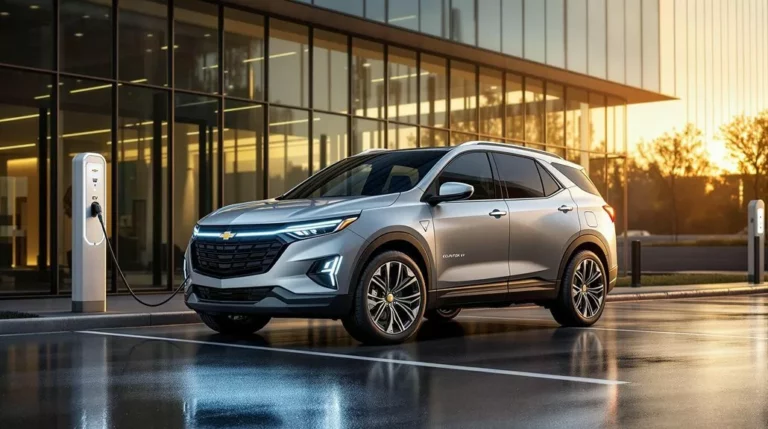

Electric vehicle advocacy groups are changing how people think about transportation. The Electric Vehicles Initiative brings together 16 governments working toward 30% electric vehicle sales by 2030. The Electric Vehicle Association runs over 100 volunteer chapters that educate communities about EV benefits. Corporate alliances help businesses switch their fleets to electric. These groups push for more charging stations, tax credits, and laws that support EVs. Their efforts tackle myths about cost and range while building infrastructure for tomorrow’s roads.
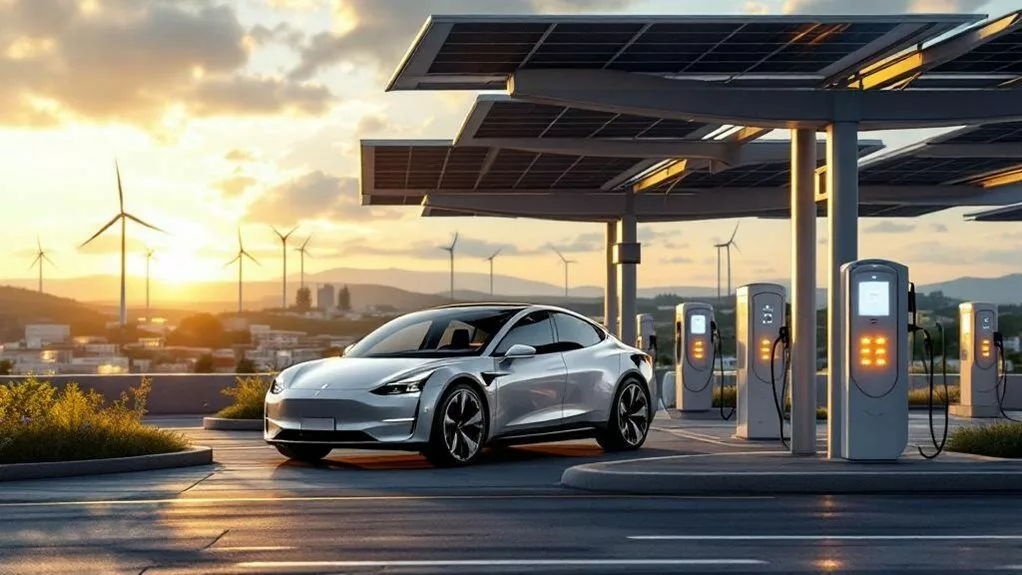
Electric vehicle advocates are pushing for sweeping changes in how people travel. Groups around the world are working to make electric cars, buses, and trucks more common on roads everywhere. These efforts are reminiscent of the history of electric vehicles, which dates back to the 19th century when early prototypes were developed. As technology has advanced, advocates are now emphasizing the need for infrastructure improvements, such as more charging stations and incentives for consumers to switch from traditional gasoline vehicles. By promoting these changes, they aim to reduce carbon emissions and create a more sustainable future.
The Electric Vehicles Initiative brings together 16 governments to speed up EV adoption. Members include China, Germany, India, the U.S., and Norway. They’re running the EV30@30 Campaign, which wants 30% of all new vehicle sales to be electric by 2030. The group also focuses on building more charging stations to meet growing demand. In addition to promoting EV adoption, the initiative aims to address common problems with electric cars, such as range anxiety and charging infrastructure limitations. By collaborating on technology advancements and sharing best practices, member countries work to create a more sustainable and accessible electric vehicle ecosystem. This collective effort is crucial for overcoming barriers and encouraging consumers to embrace electric mobility.
16 governments unite to make electric vehicles 30% of all new car sales by 2030.
In the United States, the Electrification Coalition helped shape major laws. They pushed for federal money in the Bipartisan Infrastructure Law to support electric transportation. The group also influenced EV tax credits in the Inflation Reduction Act. They’ve created special programs for ports, freight companies, and business fleets. The Coalition works with others to plan where charging stations should go.
The Electric Vehicle Association takes a different approach. It has more than 100 chapters across the country run by volunteers. As North America’s largest nonprofit for EV adoption, the association supports thousands of members who educate their communities about the benefits of driving electric. Members organize local events and demonstrations to teach people about EVs. They raise money through donations and corporate sponsorships. The group works to correct wrong ideas people have about electric vehicle range, cost, and charging. Beyond educating the public, advocates emphasize that EV ownership can provide annual savings of $600 to $800 compared to gas vehicles.
Companies are joining forces too. The Corporate Electric Vehicle Alliance helps businesses switch their fleets to electric. They share tips about what works and what doesn’t. The alliance pushes for laws that make it easier for companies to buy EVs. Their goal is to make electric vehicles cost the same as regular cars and trucks.
The Zero Emission Transportation Association focuses on America’s EV supply chain. They want more EVs built in the U.S. and shipped to other countries. The group supports tax breaks for people buying EVs and building charging stations. They work with both political parties to move their goals forward.
All these groups face challenges. There aren’t enough batteries and parts to build EVs fast enough. More charging stations are needed in workplaces and neighborhoods. The EVI Global EV Pilot City Programme is building a network of at least 100 cities to share successful strategies for overcoming these obstacles.
But advocates keep working to overcome these problems and reach their 2030 targets.
Frequently Asked Questions
How Can I Donate to Electric Vehicle Advocacy Organizations?
People can donate to electric vehicle advocacy groups through several methods. They’re able to give money directly to nonprofit organizations like the Electric Vehicle Association on their websites. Many donors set up monthly recurring payments.
Companies sponsor EV projects and join business membership programs. Individuals also contribute to groups like Clean Cities coalitions and Forth. Some supporters attend fundraising events at EV conferences or join local chapters.
What Qualifications Do Advocacy Group Leaders Typically Have?
Advocacy group leaders usually have college degrees in law, public policy, or environmental science.
They’ve worked in government, nonprofits, or related industries for many years. Most have strong public speaking skills and grasp complex regulations.
They’re good at building relationships with lawmakers and media contacts. Many started as volunteers or staff members before leading organizations.
They know how to organize campaigns and raise money for their causes.
Are There Volunteer Opportunities With EV Advocacy Groups?
Yes, EV advocacy groups offer many volunteer opportunities.
The Electric Vehicle Association has over 100 chapters across North America. The EV Society focuses on Canadian volunteers. These chapters bring together enthusiasts, advocates, and industry experts to promote the adoption of electric vehicles. Additionally, electric vehicle online communities play a crucial role in sharing information, resources, and support for both current and prospective EV owners. Through these platforms, members can discuss the latest technologies, share personal experiences, and organize local events to raise awareness and encourage sustainable transportation options.
People don’t need to own electric cars to help. Volunteers lead workshops, staff events, and support charging station projects.
They use online tools like Zoom for meetings. Groups need volunteers who grasp basic EV technology and have flexible evening or weekend schedules.
Do Advocacy Groups Offer Memberships or Newsletters?
Electric vehicle advocacy groups do offer memberships and newsletters. EVA charges $55 yearly for membership with networking benefits.
EVAOKC provides dual membership for $35, including magazine access. Some Tesla clubs offer free membership while others charge fees.
Most groups send monthly newsletters to members. EVA’s newsletter reaches 25,000 supporters.
EVCA and VGIC share policy updates through member-only communications. These resources keep members informed about EV developments and advocacy efforts.
Which Advocacy Groups Focus Specifically on Low-Income Communities?
Several advocacy groups work to bring electric vehicles to low-income neighborhoods.
Forth runs programs in Oregon that offer test drives and education in underserved areas.
EVNoire focuses on communities of color and hosts ride-and-drive events.
Plug In America partners with local organizations to reach Spanish-speaking families.
These groups help residents learn about EV savings and connect them with rebates that can reach $10,000.