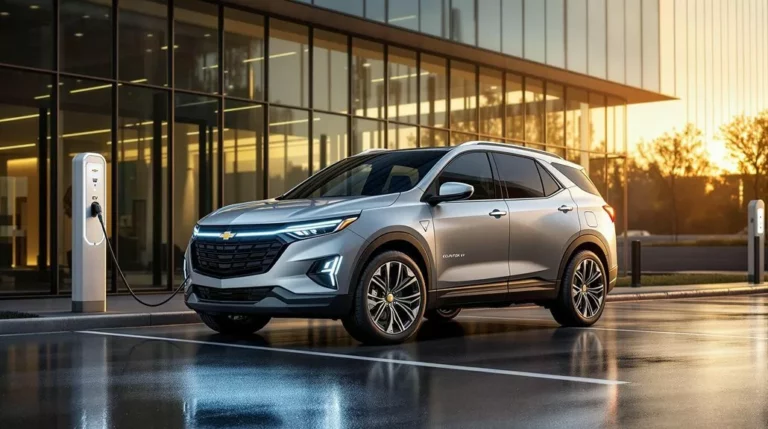

Electric cars prevent 3.4 metric tons of carbon dioxide emissions yearly compared to gas vehicles. They produce 65% fewer emissions over their lifetime and release only 110 grams of CO2 per mile versus 410 grams from gas cars. While battery manufacturing creates initial pollution, electric vehicles become cleaner after 1.4 to 1.9 years of driving. The growing use of renewable energy in power grids improves their environmental benefits even further.
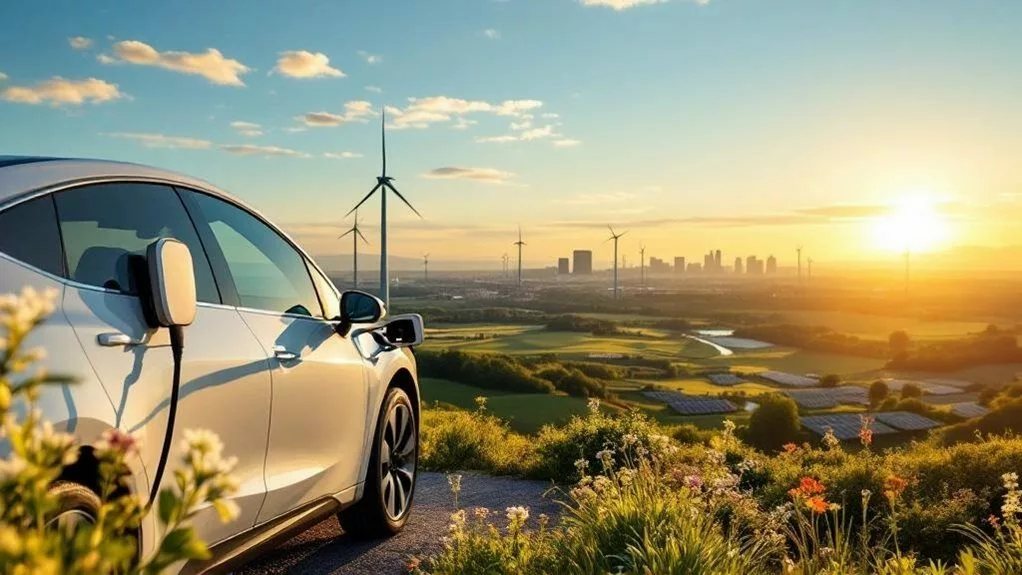
While gas-powered cars continue to dominate American roads, electric vehicles are proving they’re much better for the planet. Each electric car prevents about 3.4 metric tons of carbon dioxide from entering the atmosphere every year compared to regular cars. Over their entire lifetime, electric vehicles produce 65% fewer emissions than similar gas-powered cars. In fact, switching to an electric vehicle prevents the same amount of carbon emissions as planting 56 trees annually. As the evolution of electric vehicle technology progresses, advancements in battery efficiency and charging infrastructure are making these eco-friendly options more accessible to the average consumer. Furthermore, government incentives and growing awareness of environmental issues are driving more people to consider electric vehicles as their primary mode of transport. With these changes, the shift toward electric vehicles not only supports a healthier planet but also creates a sustainable future for generations to come. Additionally, many consumers are surprised to learn about the impressive electric car acceleration performance, often outpacing their gas-powered counterparts. As manufacturers invest heavily in research and development, future models are expected to offer even more powerful and efficient driving experiences. This shift towards high-performance electric vehicles not only enhances consumer appeal but also reinforces the efficiency and sustainability of electric transportation.
Electric cars don’t release any pollution from their tailpipes since they don’t have them. The main environmental concerns come from making the cars and producing the electricity to charge them. Even so, electric vehicles become cleaner than gas cars after just 1.4 to 1.9 years of driving. If just 10% more Americans switched to electric cars, the country would avoid releasing 12 million metric tons of carbon dioxide annually.
Electric vehicles become cleaner than gas cars after just 1.4 to 1.9 years of driving.
Making electric car batteries does create more pollution at first than producing regular cars. However, the cleaner operation of electric vehicles quickly makes up for this difference. Even in areas that rely heavily on coal for electricity, electric cars still produce fewer emissions than gas cars. In regions using more solar and wind power, the benefits are even greater. Different battery types, including nickel-metal hydride, lead-acid, and lithium-ion, have varying environmental impacts during manufacturing.
The electric grid is getting cleaner too. As more renewable energy sources come online, electric cars become even better for the environment. By 2030, improvements in how we make electricity could cut electric vehicle carbon footprints by 75%. The EPA offers tools that let people check how clean their local electricity is for charging electric cars.
When comparing emissions per mile driven, electric cars release about 110 grams of carbon dioxide while gas cars release 410 grams. Electric vehicles are also about four times more efficient with energy than regular cars. A typical electric car gets the equivalent of 100 miles per gallon, while gas cars average just 25 miles per gallon. Even larger electric SUVs emit 40% less emissions over their lifetime compared to medium-sized gas-powered cars.
Looking ahead, experts predict that switching to electric vehicles globally could prevent 2 billion metric tons of carbon dioxide emissions by 2035. Better battery technology, cleaner manufacturing methods, and improved recycling programs will make electric cars even more environmentally friendly in coming years. As advancements in renewable energy sources power electric vehicle production, the overall carbon footprint of these cars will continue to decline. The future of electric vehicles also holds promise with innovations like vehicle-to-grid technology, which allows cars to feed energy back into the grid, optimizing energy use. With ongoing research and investment, the transition to electric vehicles will contribute significantly to a sustainable future.
Frequently Asked Questions
How Long Do Electric Car Batteries Last Before Needing Replacement?
Electric car batteries typically last 15-20 years before replacement.
Most manufacturers guarantee batteries for 8 years or 100,000 miles.
Tesla’s data shows only 5% capacity loss after 50,000 miles.
Real-world testing reveals batteries can exceed 280,000 miles.
Degradation averages 1.8% yearly.
Moderate climates extend battery life to 12-15 years, while extreme temperatures reduce it to 8-12 years.
Many batteries outlast their warranties considerably.
What Happens to Old Electric Car Batteries When They’re Disposed Of?
Old electric car batteries don’t go straight to landfills. Recycling facilities collect them through special programs.
Workers safely discharge the batteries, then take them apart. They crush the components into a powder called “black mass.”
Chemical processes extract precious metals like lithium, cobalt, and nickel. These recovered materials become ingredients for new batteries.
This recycling helps reduce mining and saves energy compared to making metals from scratch.
How Much Does It Cost to Install a Home Charging Station?
Installing a home charging station typically costs $965, though prices range from $550 to $1,383.
Basic Level 1 chargers cost $0-$200, while faster Level 2 models run $300-$1,200. Labor adds $400-$1,300.
Some homes need electrical panel upgrades costing $1,500-$4,000. Total expenses can reach $2,500 or more for complex installations.
Permits cost $50-$300. Smart features and weatherproofing add to the final price.
Can Electric Cars Be Charged Using Solar Panels at Home?
Electric cars can charge at home using solar panels. A typical system needs multiple panels producing about 1.5 kilowatt-hours daily each.
Homeowners install inverters to convert the sun’s energy into usable power. Many add battery storage for nighttime charging. The setup costs thousands of dollars but saves money over time.
Most drivers need 10-15 panels to fully power their electric vehicle year-round.
Are There Enough Public Charging Stations for Long Road Trips?
The U.S. has 10,839 public charging stations with 55,580 ports.
Tesla’s network offers the best highway coverage with 6,500 stations.
However, drivers still face challenges. Peak-hour utilization reaches 40% in major cities, causing wait times.
Rural areas have fewer stations, creating “charging deserts” along some highways.
Non-Tesla networks are expanding, but gaps remain.
Most experts say careful planning is still needed for long electric road trips.