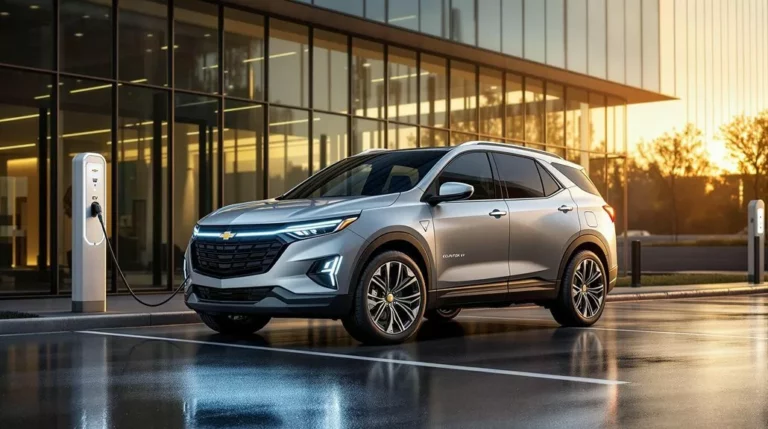

Electric car sharing lets people rent zero-emission vehicles by the hour instead of owning them. The service cuts transportation costs and reduces carbon emissions. Users typically pay through mobile apps and pick up cars at designated spots. About 24% of customers choose these services for environmental reasons. The global car-sharing market’s expected to reach $196.39 billion by 2025, with 400 million users predicted by 2030. Major cities are building more charging stations to support this growing trend. As this trend continues to expand, many car-sharing companies are increasingly looking towards sustainable energy solutions, such as utilizing solar power for electric vehicles. The integration of solar-powered charging stations not only enhances the environmental benefits but also promotes energy independence. This shift towards renewable energy sources further underscores the commitment to reducing the overall carbon footprint of urban transportation.
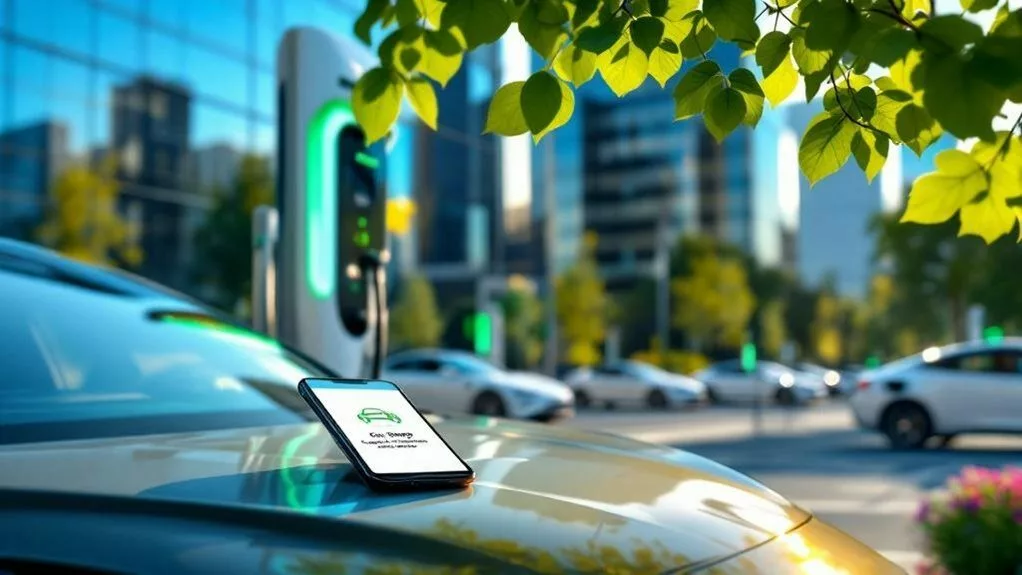
As cities become more crowded and parking spots harder to find, electric car sharing services are revolutionizing how people get around urban areas. The car-sharing market is expected to reach $196.39 billion by 2025, growing at 14.9% annually through 2032. About 36 million people worldwide will use these services next year, and experts predict 400 million users will rely on mechanized car sharing by 2030.
Electric car sharing is transforming urban mobility as cities grapple with parking scarcity and population density.
Rising fuel costs, expensive car maintenance, and environmental worries are pushing more people toward shared electric vehicles. However, operators face serious challenges. Insurance costs remain high due to liability risks. Fleet maintenance is expensive, especially for EV battery replacements and charging stations. Cities are creating stricter parking rules and demanding zero-emission vehicles, making it harder for companies to operate. Insurers often decline coverage for shared vehicles due to complexities in the car sharing model, particularly when trying to determine who is responsible for damages. Additionally, the history of electric vehicle technology has shown that frequent advancements can lead to rapid obsolescence, causing further financial strain on operators who must constantly upgrade their fleets. Moreover, the lack of widespread charging infrastructure can deter potential users from embracing shared electric vehicles, limiting overall market growth. As companies navigate these hurdles, innovative solutions and strategic partnerships will be essential for their survival in the competitive landscape.
Zipcar leads the U.S. market with 34% of users, while Getaround and SHARE NOW each hold 6% globally. San Francisco ranks first in North America for shared mobility adoption. Europe focuses on peer-to-peer models where individuals rent out their personal cars. Asia is investing heavily in automated systems. Major industry players including Daimler AG, SIXT SE, Avis Budget Group Inc., Hertz Global Holdings, and Europcar Mobility Group SA are competing for market share in this rapidly expanding sector.
The typical car-sharing user is between 25 and 34 years old. Most are college-educated males with higher incomes living in cities. They use these services for occasional trips rather than daily commutes. About 24% of users say they’re motivated by environmental concerns.
Technology is changing the industry. Cloud platforms help companies manage their fleets and mobile apps. Artificial intelligence predicts when cars need maintenance and where they should be parked. Some companies are testing self-driving cars that could eliminate driver costs. Real-time tracking shows battery health and vehicle locations.
Cities are partnering with car-sharing companies to build more charging stations. However, finding dedicated parking spots for electric vehicles remains difficult. Some operators are testing battery-swapping technology to reduce charging wait times. Government grants and tax breaks are helping companies add more electric vehicles to their fleets. In addition to charging infrastructure, cities are also exploring financing options for electric vehicles to make them more accessible to consumers. This includes low-interest loans and incentive programs aimed at encouraging both individual ownership and fleet transitions. As the demand for greener transportation solutions increases, these initiatives will play a crucial role in shaping a sustainable urban mobility landscape.
As cities push for cleaner air and less traffic, electric car sharing will likely become even more common in urban areas.
Frequently Asked Questions
What Happens if I Get Into an Accident During My Rental?
When someone crashes a rental car, they must report it to the company within 24 hours.
They’ll need to file a police report and take photos. The at-fault driver typically pays for damages.
Renters might owe deductibles between $500 and $3,000. Company insurance covers some costs, but renters could face personal liability if coverage limits are exceeded.
Breaking rental rules like speeding can void insurance protection.
Can I Take the Shared Electric Car Across State or Country Borders?
Taking shared electric cars across borders isn’t simple. Most car-sharing services don’t allow it. Companies like Evie keep their cars in specific cities.
If a service does permit border crossing, they’ll charge extra fees. Drivers need special permission first.
Insurance rules change between states and countries. Charging stations work differently in each region. Some areas don’t have enough chargers, making long trips risky.
How Do I Charge the Car if the Battery Runs Low?
When an electric car’s battery runs low, drivers have several charging options. They can use Level 2 chargers at public stations, which add 12-80 miles of range per hour.
Many car-sharing services provide mobile apps that show nearby charging locations. Fast charging stations along highways can quickly enhance the battery for longer trips.
Some services include charging costs in their fees, while others bill separately.
What Age Do I Need to Be to Use Car Sharing Services?
Most car sharing services require users to be at least 21 years old.
However, some states like New York, Michigan, and Maryland allow 18-year-olds to join.
Students at partner universities can sometimes start at 18.
Military members and government employees may also get age exceptions.
Drivers under 25 often pay extra daily fees, around $25.
Each company sets its own rules, so people should check before signing up.
Are Pets Allowed in Shared Electric Vehicles?
Pet policies vary among shared electric vehicle services.
Avis allows pets in most locations but can charge up to $450 for cleaning if cars aren’t returned spotless.
ZEV co-op and Grand Rapids Carshare ban pets completely, with $250 fines for violations.
MDO also prohibits pets.
Service animals need pre-approval and documentation at most companies.
Drivers must contact customer service before bringing any animal into shared vehicles.