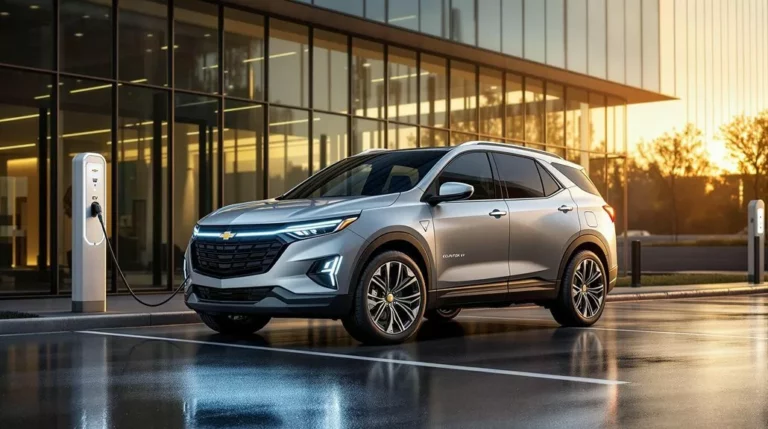

Electric cars face several major drawbacks that keep many drivers away. Over a third of potential buyers can’t afford the high purchase prices and insurance costs. Nearly 70% find charging inconvenient, especially apartment dwellers without home charging options. Range anxiety affects one-third of buyers, with cold weather cutting driving distance by 30%. Electric vehicles also struggle with towing and off-road performance. Only 5% of Americans prefer electric cars over traditional vehicles. These challenges shape today’s electric car market. However, many drivers are drawn to the long-term savings potential. Those who can navigate the initial barriers often find that they can save money with electric vehicles through lower fuel and maintenance costs. As infrastructure improves and charging becomes more accessible, it’s possible that perceptions will shift, making electric cars a more viable option for a larger audience.
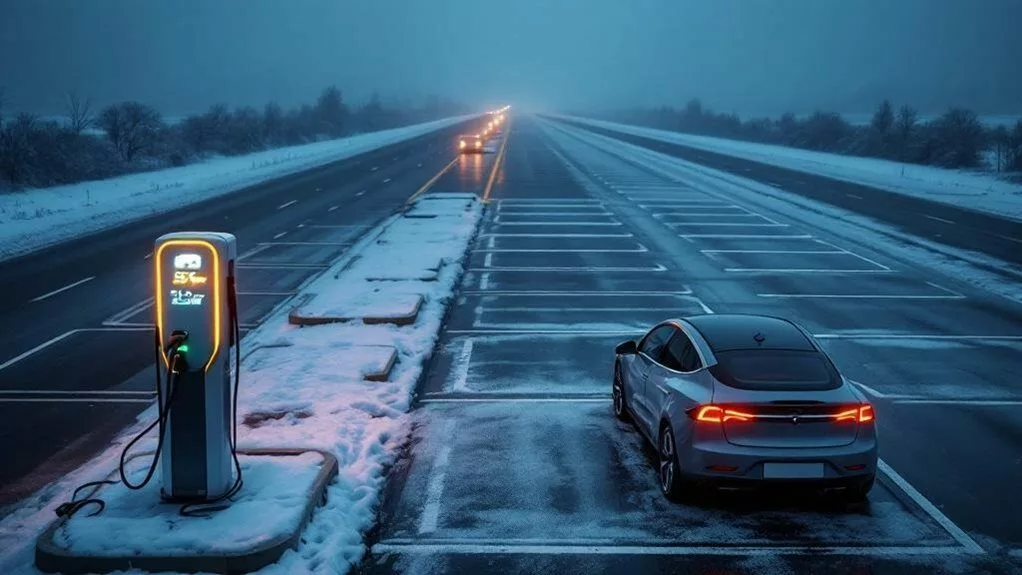
Why aren’t more Americans buying electric cars? Despite growing environmental concerns, electric vehicle adoption faces serious obstacles that keep many drivers from making the switch.
Money remains the biggest roadblock. More than a third of potential buyers say electric cars cost too much to own. It’s not just the purchase price that’s turning people away. Insurance companies charge higher premiums for electric vehicles because they’re more expensive to repair. When electric car batteries need replacing, owners face bills that can reach thousands of dollars. The recent elimination of tax incentives and cuts to public charging funding have made these vehicles even less affordable. Electric vehicles can lose 80% value within just one year, as seen with the Fisker Ocean dropping from $70,000 to $10,000. Despite these challenges, some consumers are exploring alternatives like electric vehicle subscription benefits, which offer a more manageable monthly payment without the long-term commitment of ownership. These subscription models often include insurance, maintenance, and access to charging, making the overall cost more predictable and potentially alleviating some financial concerns. As the market evolves, such options may help bridge the gap for those hesitant to invest in electric vehicles outright.
Charging creates another major headache. Nearly 70% of people who don’t own electric cars say charging inconvenience stops them from buying one. Most electric car owners charge at home, but that’s impossible for people living in apartments or homes without garages. Public charging stations remain scarce, especially in rural areas. Some hotels only offer slow 11kW chargers that take hours to fill a battery. Even fast charging takes much longer than filling a gas tank.
Range anxiety keeps many drivers away from electric cars. About a third of people worry they can’t travel long distances in these vehicles. Cold weather makes this worse, cutting driving range by up to 30% in winter. Road trips require careful planning to find charging stations, and drivers must stop every hour or two to recharge. While modern electric cars have ranges from 200 to 600 miles with a full charge, real-world conditions often reduce these distances significantly. Additionally, the charging infrastructure can be lacking in certain areas, further contributing to anxiety about being stranded with a depleted battery. For those considering the switch, understanding ev range limitations explained can help alleviate some of these concerns by providing insights on how to maximize efficiency and plan journeys effectively. Ultimately, as technology advances, improvements in battery capacity and charging speed may gradually mitigate these worries.
Technical limitations frustrate some drivers. Electric cars struggle with towing heavy loads and don’t perform well off-road. Some people miss the sound and feel of traditional engines. In freezing temperatures, batteries take time to warm up, affecting performance. Premium electric cars actually have more quality problems than their mass market counterparts, adding to buyer concerns. Additionally, many manufacturers are actively addressing these issues through innovative solutions. With lucid battery technology advancements, future models may exhibit improved towing capabilities and quicker charge times even in extreme temperatures. As the industry evolves, these enhancements could help close the gap between electric and traditional vehicles, alleviating some of the concerns among potential buyers.
Cultural attitudes also slow adoption. Only 5% of Americans prefer electric cars, according to Deloitte research. Many Americans see gas-powered trucks and SUVs as part of their identity. Tesla dominates the electric car market, but other brands haven’t captured buyers’ attention.
With flat market share and reduced government support, electric cars face an uncertain future. Until these concerns get addressed, most American drivers will likely stick with gas-powered vehicles. As consumers navigate this complex landscape, understanding essential electric car maintenance tips will become increasingly important for those who choose to make the switch. Regular upkeep can alleviate some of the apprehensions surrounding reliability and performance. Moreover, as technology advances, innovations in battery longevity and charging infrastructure could gradually shift public perception, making electric vehicles more appealing.
Frequently Asked Questions
How Much Does It Cost to Replace an Electric Car Battery?
Electric car battery replacements cost between $5,000 and $20,000. The price depends on the car’s model and battery size.
A Nissan Leaf battery costs $4,000 to $15,000. Tesla Model 3 owners pay about $16,000 plus $2,300 for labor. Chevy Bolt batteries run around $16,000.
Third-party refurbished batteries offer cheaper options. Battery prices have dropped 90% since 2008, but they’re still expensive for most drivers.
Can Electric Cars Be Charged Using Regular Household Outlets?
Electric cars can charge using regular 120-volt household outlets.
These standard outlets deliver 3-5 miles of range per hour of charging. A full charge takes 20-40 hours for large batteries.
Most EV owners prefer 240-volt outlets, which charge 5-6 times faster. These outlets need special installation by electricians.
Overnight charging with regular outlets adds about 40 miles, enough for short daily commutes but not long trips.
Do Electric Cars Require Special Tires Compared to Gas Vehicles?
Electric cars don’t technically need special tires, but they perform better with EV-specific ones.
These vehicles weigh 30% more than gas cars because of heavy batteries. The extra weight and instant torque wear out regular tires faster.
Car manufacturers design EV tires with stronger sidewalls and special rubber compounds. These tires also reduce rolling resistance, which helps electric cars travel farther on a single charge.
What Happens to Electric Car Batteries at End of Life?
Electric car batteries don’t go to landfills when they’re done. Recycling centers collect them from old vehicles.
Workers take apart the batteries and remove dangerous parts. They shred the cells into “black mass” containing precious metals.
Special chemical processes extract lithium, nickel, and cobalt. These metals get cleaned up and used to make new batteries.
The recycling process is expensive but keeps harmful materials out of the environment.
Are There Tax Incentives Available for Purchasing Electric Vehicles?
Tax credits exist for electric vehicle buyers through September 2025.
New EVs qualify for up to $7,500, while used ones get up to $4,000. Buyers must meet income limits, and vehicles need specific battery sizes.
Plug-in hybrids can also qualify. The credits apply to purchases and leases.
Congress shortened the original deadline, which was set for 2032. After September 2025, these federal incentives will end.