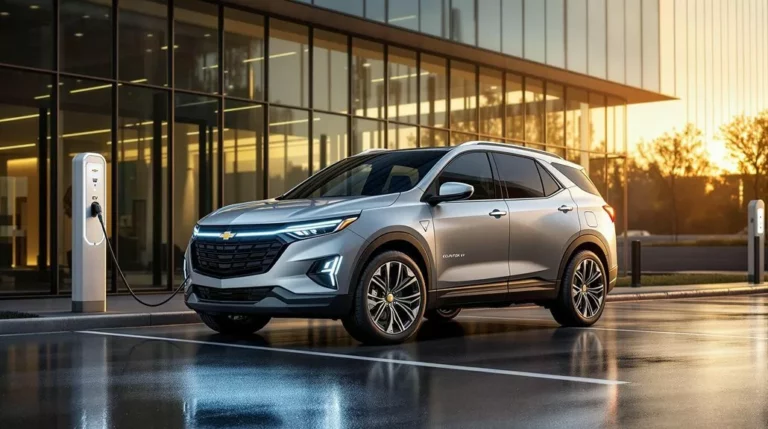

Today’s electric vehicle buyers typically pay between $33,600 and $45,000 for new models after applying federal tax credits. Entry-level EVs like the Chevrolet Equinox EV start at $33,600, while premium options reach $45,000. Used electric vehicles have become more affordable, averaging $27,800 in late 2025. That’s a 32% drop from last year. Nearly 30% of used EVs now cost under $20,000. Specific models and ownership costs vary considerably across different price ranges.
While electric vehicles once carried luxury price tags, today’s EV market offers options across a wide price range. The average new electric vehicle now costs between $33,600 and $45,000 after federal tax credits, making them more accessible than ever before.
Entry-level EVs have become surprisingly affordable. The Chevrolet Equinox EV drops to $33,600 after the $7,500 federal tax credit while offering 319 miles of range. The Ford Mustang Mach-E Premium starts at $39,995 and delivers 300 miles per charge. For buyers seeking even lower prices, the Hyundai Kona Electric and Nissan Leaf provide compact options under $50,000. The Hyundai Kona Electric SE stands out as the cheapest new EV with over 200 miles of range at $32,875.
Mid-range EVs balance price with performance. Tesla’s Model 3 Long Range RWD costs $34,990 after credits and travels 363 miles on a single charge. Ford’s Mustang Mach-E and Nissan’s Ariya both offer about 300 miles of range for around $41,000. The Hyundai Ioniq 6 SE RWD starts at $42,700 with similar range capabilities.
Premium EVs still command higher prices but deliver more features. The Tesla Model Y Long Range RWD starts at $37,490 after credits, providing 337 miles of range and a spacious interior. The Nissan Ariya Venture+ FWD lists at $41,190 for 304 miles of range with advanced technology features. Rankings based on 200 data points including acceleration, handling, comfort, cargo space, fuel efficiency, value, and driving enjoyment help buyers compare options across price categories.
The used EV market has become even more affordable. Average used EV prices fell to $27,800 in the third quarter of 2025, down 32% from the previous year. Nearly 30% of used EVs now cost under $20,000. Tesla Model 3s dominate used inventories, often priced around $25,000 for models with over 300 miles of range.
Regional differences affect pricing considerably. European city EVs like the Renault Twingo E-Tech cost between €20,000 and €30,000. In Europe, Tesla Model 3 AWD prices range from €22,900 to €38,000. Electric car battery pack costs have plummeted from $1,160 per kWh in 2010 to just $156 per kWh in 2019, driving down vehicle prices significantly.
Ownership costs remain lower than gas vehicles. EVs cost 20% to 35% less to maintain annually. Most EVs retain 80% battery capacity after 150,000 miles, reducing replacement concerns. Federal tax credits continue to make new EVs more affordable for qualified buyers. Additionally, advancements in charging infrastructure have made it easier for EV owners to recharge their vehicles on the go. However, electric car limitations for drivers, such as longer refueling times compared to traditional gasoline vehicles, can still present challenges for some users. As battery technology continues to improve, it’s expected that these limitations will gradually diminish, making EVs even more appealing.
Frequently Asked Questions
How Much Does It Cost to Charge an EV at Home Monthly?
Electric vehicle owners typically spend about $60 monthly to charge at home.
That’s based on average U.S. electricity rates of 16 cents per kilowatt-hour. Costs vary widely by state. Washington residents pay around $45 monthly, while California drivers face $120 bills.
Monthly expenses depend on battery size, local electricity rates, and driving habits. Most EV owners charge about 374 kilowatt-hours each month.
What Tax Credits or Incentives Are Available for EV Purchases?
Buyers can get up to $7,500 in federal tax credits for new electric vehicles made in North America. Used EVs qualify for up to $4,000.
New cars can’t cost over $55,000, while SUVs and trucks can’t exceed $80,000. Used EVs must cost less than $25,000.
Buyers’ income also affects eligibility. These credits expire September 30, 2025. States and utilities offer additional incentives.
How Do EV Maintenance Costs Compare to Gas Vehicles?
Electric vehicles cost 65-70% less to maintain than gas cars over eight years.
EVs don’t need oil changes, transmission work, or exhaust repairs. They have fewer moving parts that can break. Regenerative braking saves brake pads from wearing out quickly.
However, EVs face 20% higher insurance costs. Their batteries rarely need replacing during warranty periods, but repairs outside warranty can be expensive due to limited repair shops.
Will EV Prices Decrease Significantly in the Next Five Years?
Electric vehicle prices will likely drop over the next five years.
Battery costs are falling fast. Chinese factories have too much capacity, pushing prices down. More car companies are making cheaper EV models. Experts predict battery costs will drop below $100 per kilowatt-hour soon.
However, government subsidies are ending in some countries. This might slow price drops.
How Much Does Installing a Home Charging Station Typically Cost?
Installing a home charging station typically costs $965 on average.
Most homeowners pay between $800 and $2,500 for Level 2 chargers. The equipment alone runs $400 to $1,200. Electricians charge $400 to $1,500 for installation.
Some homes need electrical panel upgrades costing an extra $500 to $2,000. Permits add $50 to $500.
Federal and state tax credits can reduce these costs by up to $2,000.