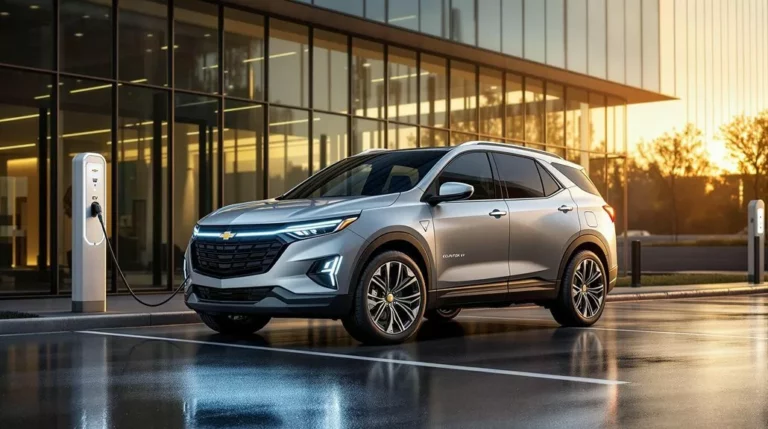

Electric vehicles cost 40% less to maintain than gas cars. EV owners spend about 6.1 cents per mile compared to 10.1 cents for traditional vehicles. They don’t need oil changes or exhaust repairs, saving drivers roughly $4,600 over the car’s lifetime. While EVs have higher insurance costs and pricey battery replacements ranging from $5,000 to $20,000, they’re rare. Maintenance expenses vary widely between different EV models.
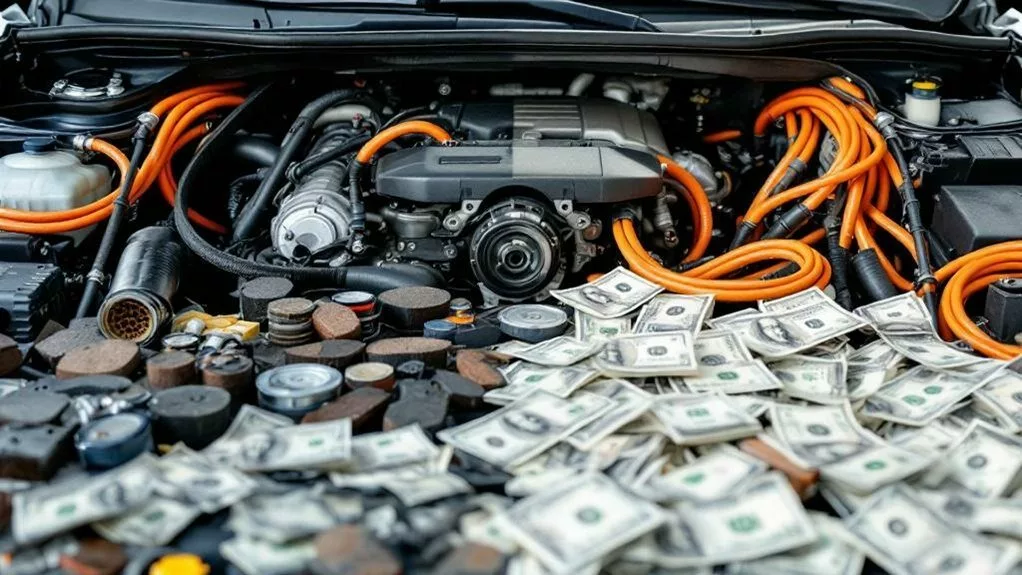
While gas-powered cars have dominated roads for over a century, electric vehicles are changing how drivers think about maintenance costs. Electric cars cost about 6.1 cents per mile to maintain, while traditional gas vehicles cost 10.1 cents per mile. That’s a difference of 4 cents for every mile driven.
Electric vehicles don’t need oil changes, fuel system repairs, or exhaust work. Their regenerative braking systems help brake pads last longer too. However, EV tires might wear out faster because of the car’s instant power delivery. Drivers need to rotate them every 6,000 to 8,000 miles. The heavier weight of EVs, due to their battery packs, puts additional strain on tires and suspension components. Despite the potential for increased tire wear, the benefits of driving electric cars far outweigh the drawbacks. With fewer moving parts and reduced maintenance requirements, EVs contribute to lower overall ownership costs. Additionally, the environmental impact is significantly lessened, as electric vehicles produce zero tailpipe emissions, promoting cleaner air and a healthier planet.
Electric vehicles skip oil changes and exhaust repairs, but their tires wear faster from instant acceleration.
The main parts that need attention in electric cars include wheel bearings, suspension systems, and heating and cooling units. When repairs are needed, they’re more expensive. Electric vehicle repairs cost between $770 and $1,550 on average. Gas car repairs typically run $500 to $600. The good news is that EVs need fewer repairs overall.
Different electric models have varying maintenance costs. The Nissan Leaf costs about $1,724 to maintain over five years. The Kia EV6 costs just $651 during the same period. Luxury models like the BMW iX can cost around $8,000 for repairs over five years, averaging $1,600 annually.
Battery replacements remain the biggest concern for EV owners. They’re rare but expensive, ranging from $5,000 to $20,000. Most batteries last many years before needing replacement. Proper battery care, like keeping the charge between 20% and 80%, can significantly extend battery lifespan beyond the typical 100,000 to 150,000 miles. Research shows that battery degradation occurs at only about 2.3% per year, meaning range loss remains minimal over time.
Hidden costs exist too. Home charging stations need $200 to $400 in yearly upkeep. Insurance premiums average $2,722.80 per year for EVs, compared to $1,718 for gas vehicles. Specialized EV technicians may charge more for labor.
Despite higher individual repair costs and insurance, electric vehicle owners save about $4,600 over the car’s lifetime on maintenance and repairs compared to gas vehicles. Five-year maintenance totals range widely, from $1,700 for economical models to $8,000 for luxury EVs.
As battery technology improves and more mechanics learn to work on electric cars, these costs may decrease further.
Frequently Asked Questions
How Long Does an EV Battery Last Before Needing Replacement?
EV batteries typically last 15 to 20 years before they need replacing. Most manufacturers offer 8-year warranties, while Hyundai and Kia provide 10-year coverage.
Batteries degrade about 1.8% to 2.3% yearly. They can handle up to 280,000 miles, which is double what gas-powered cars usually manage. Replacement is usually needed when the battery loses 20% to 30% of its original capacity.
Tesla’s working on batteries that’ll last one million miles.
Are Electric Vehicles More Reliable Than Gas-Powered Cars?
Electric vehicles break down less often than gas cars. Studies show EVs need roadside help 3.8 times per 1,000 vehicles, while gas cars need it 9.4 times. Despite their lower breakdown rates, it’s essential for potential buyers to consider electric car limitations for drivers. Factors such as charging infrastructure and battery capacity can impact the overall convenience of owning an EV. For some, these limitations may outweigh the benefits of reduced maintenance and fewer roadside emergencies.
Gas cars that are 2-4 years old fail 2.5 times more than EVs. However, EVs still report 42% more problems overall in recent model years.
Tesla’s Model 3 ranks highest for EV reliability. Most EV issues involve electronics, not major parts.
What Government Incentives Are Available for Electric Vehicle Purchases?
The federal government offers tax credits for electric vehicle buyers. New EVs can get up to $7,500 off, while used EVs qualify for up to $4,000. These incentives can significantly offset the burden of the average electric vehicle costs today, making the transition to cleaner transportation more affordable for consumers. Additionally, the availability of state-specific rebates further enhances the financial benefits for buyers, encouraging more people to consider electric vehicles as their next car purchase. As electric vehicle technology continues to improve, the long-term savings on fuel and maintenance will also contribute to the overall value of investing in an EV.
Buyers can now receive these discounts directly at dealerships. However, Congress passed new rules in July 2025.
All EV tax credits will end on September 30, 2025. After that, buyers can only deduct auto loan interest up to $10,000 yearly.
How Much Does Home EV Charging Installation Cost?
Home EV charger installation typically costs between $550 and $1,383 across the country. The average price is $965.
Simple installations near electrical panels run $850 to $1,700. Standard Level 2 chargers cost $1,000 to $2,500 total.
Complex jobs with long wiring runs or panel upgrades can exceed $3,000. Equipment costs $400 to $1,200. Labor adds $400 to $1,500. Permits range from $50 to $300.
Do Electric Vehicles Hold Their Value Better Than Conventional Vehicles?
Electric vehicles don’t hold their value as well as regular cars.
Tesla models lose about 60% of their price after several years. The Model S drops $52,000 in value. Some EVs depreciate faster than others. The Jaguar I-Pace loses 72% of its original price.
However, the used EV market‘s improving. Prices for used electric and gas cars are now within $2,000 of each other. This shift indicates a growing acceptance of electric vehicles among consumers, as more people recognize their long-term savings and environmental benefits. As the market continues to evolve, experts predict that the cheapest electric cars in 2025 will further bridge the gap between traditional gasoline vehicles and their electric counterparts. This trend suggests that owning an electric vehicle may soon become a more accessible option for a wider range of consumers.