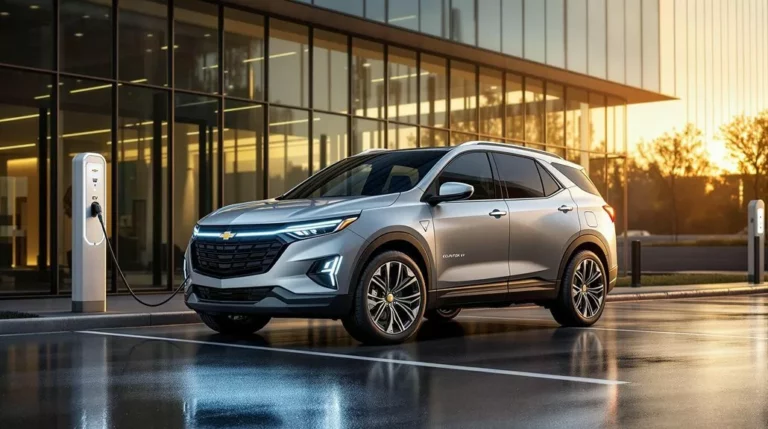

China dominates global electric vehicle adoption with 4.4 million EVs sold in early 2025, nearly two-thirds of worldwide sales. Europe sold 1.6 million units, while North America trailed with just 700,000. China’s sales jumped 33%, but North America’s grew only 3%. Chinese EVs cost less than gas cars, while American EVs cost 30% more. This price gap explains why China’s market thrives while others struggle to keep pace.
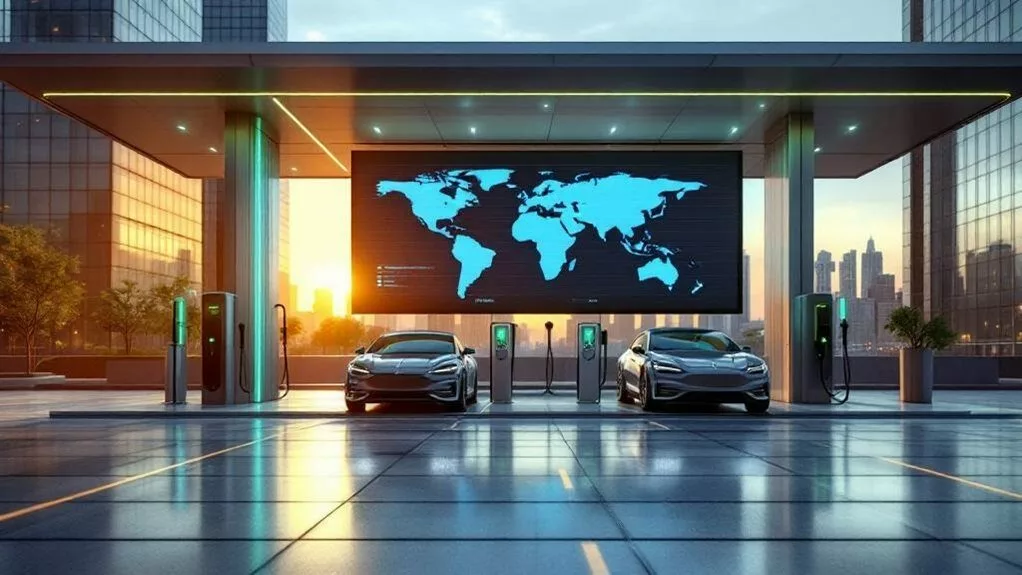
While global electric vehicle sales surged 28% in the first five months of 2025, reaching 7.2 million units, the growth hasn’t been even across all regions. China leads the pack with 4.4 million EVs sold year-to-date, making up nearly two-thirds of worldwide sales. Europe follows with 1.6 million sales, while North America lags behind at just 700,000 units.
The differences between regions come down to price. In China, electric vehicles now cost less than gas-powered cars in most cases. But in the United States, EVs still cost about 30% more than traditional vehicles. This price gap explains why North American sales grew only 3% compared to China’s 33% increase.
Battery costs are dropping worldwide, making EVs more affordable. Experts at Bloomberg New Energy Finance predict 22 million electric vehicles will sell globally in 2025. That’s a 25% leap from last year. They also expect EVs to make up more than 25% of all new car sales this year. Battery pack costs have fallen dramatically from $1,160 per kWh in 2010 to $156 per kWh in 2019, driving much of this affordability improvement.
Battery costs plummet as experts forecast 22 million EV sales globally this year
China’s success stems from its manufacturers producing cheaper models. BYD’s new Dolphin Surf EV sells for approximately USD25,000 in Europe, demonstrating how Chinese companies can offer competitive pricing even in foreign markets. These companies now export affordable EVs to emerging markets, helping the “Rest of World” region grow 36% in sales. Meanwhile, the U.S. struggles with its preference for SUVs. Only 20% of electric SUVs match the price of gas-powered ones.
Government policies play a huge role in EV adoption. Canada’s sales dropped 20% after the country paused its incentives. Germany’s new tax breaks for commercial EVs should enhance sales there. In the U.S., tariffs on imported EVs keep prices high, while regulatory changes have created uncertainty. Despite these barriers, the U.S. market saw 24 new models introduced in 2024, expanding consumer choice.
Despite these challenges, the long-term outlook remains positive. Analysts project EVs will account for 40% of global vehicle sales by 2030. Countries are building more charging stations to support this growth. However, rising electricity costs in some areas could affect charging affordability. As businesses and consumers alike embrace sustainable transportation options, buying used electric cars benefits those looking for affordability without sacrificing eco-friendliness. Additionally, the availability of government incentives and rebates for used EV purchases can make these vehicles even more appealing. This trend not only alleviates the pressure on new car production but also accelerates the transition to cleaner energy in the automotive sector. As the market continues to evolve, electric vehicle forums for enthusiasts are becoming increasingly popular, providing a platform for sharing experiences and tips on optimizing EV ownership. These communities foster a sense of belonging among users, helping them to navigate the various options and technologies available. Furthermore, as more individuals transition to electric vehicles, the exchange of ideas within these forums can drive awareness and innovation in sustainable practices across the industry.
The gap between leading and lagging markets continues to widen. While China races ahead with affordable models and strong government support, North America faces pricing obstacles and policy shifts that slow adoption. This uneven growth pattern shapes the global evolution to electric vehicles. As this disparity deepens, the challenges faced by North America could hinder its long-term competitiveness in the electric vehicle market. In contrast, China’s aggressive strategies and investments reflect a pivotal moment in the history of electric vehicles, setting a benchmark for innovation and consumer adoption. If North America cannot adapt swiftly, it risks falling further behind in a sector that’s crucial for future sustainability and economic growth.
Frequently Asked Questions
How Do Electric Vehicle Charging Times Compare Across Different Countries?
Electric vehicle charging times don’t vary much between countries. The technology’s the same worldwide. A Lucid Air needs about 20 minutes to add 100 miles of range using fast chargers.
What differs is charger availability. Netherlands, Belgium, and Norway have the most charging stations per person. Germany and France are building fast chargers quickly.
Some countries have better highway coverage, making long trips easier for EV drivers.
What Are the Environmental Impacts of Battery Disposal Worldwide?
Most electric car batteries end up in landfills. About 98% aren’t recycled. They leak toxic metals like lead and mercury into soil and water.
These batteries also cause fires. One landfill had 124 fires in three years. The fires release cancer-causing chemicals and carbon dioxide.
Only 5% of EV batteries get recycled worldwide. Experts warn a “battery waste tsunami” is coming as more electric cars reach their end.
How Much Does EV Insurance Cost Compared to Traditional Vehicles?
Electric vehicle insurance typically costs 20-25% more than traditional car coverage.
EV owners pay about $337-357 monthly, while gas car drivers pay around $248.
That’s roughly $44 extra each month.
The gap’s shrinking though.
In 2021, EVs cost 37% more to insure.
Now it’s down to 26%.
Some EVs like the Ford Mustang Mach E actually cost 18% less to insure than their gas versions.
Which Electric Vehicle Brands Dominate in Specific Countries?
Chinese brands dominate most developing markets. BYD leads in China, Thailand, and Brazil.
In Thailand, BYD and GWM control 85% of imports. Tesla’s strong in China’s battery-electric segment.
India’s different—local brands like Tata rule the two-wheeler market. Traditional Japanese and Korean automakers aren’t major EV players yet.
Most countries rely on Chinese imports, though Brazil and Thailand are pushing companies to build local factories.
How Do Extreme Weather Conditions Affect EV Performance Globally?
Extreme weather hurts electric vehicle performance worldwide.
Cold weather cuts EV range by up to 50% at -4°F. Hot temperatures reduce range by 17% at 95°F when drivers use air conditioning.
Different models handle weather differently. High-end EVs like Audi e-tron lose just 3% range in heat, while cheaper models lose 14%.
Cold regions like New England see worse EV performance than warm states like Arizona and Texas.