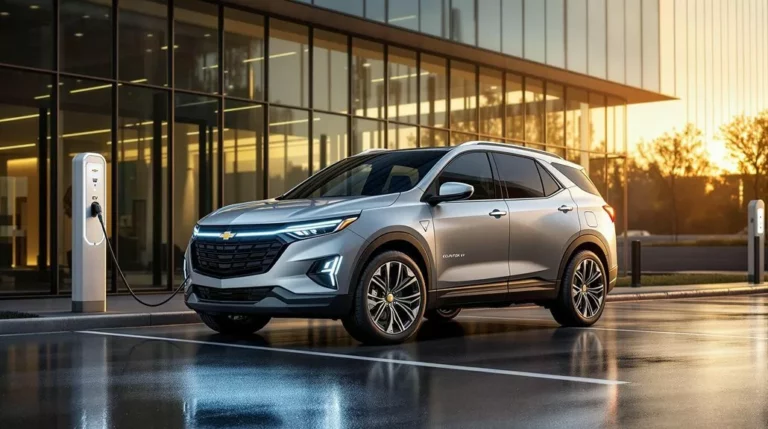

The biggest electric vehicle events in 2025 include the Washington D.C. Auto Show from January 31 to February 9, featuring EVs and concept cars. The North Texas Auto Show runs February 20-23 with autonomous technology displays. Industry conferences like EV Charging Infrastructure USA happen March 3-4. October’s EV Tech Expo Detroit expects 21,000 professionals and 1,300 exhibitors. These events showcase battery innovations, charging solutions, and smart car technology that’s shaping transportation’s future. Attendees can look forward to engaging discussions on the evolution of electric vehicle technology, highlighting the role of renewable energy in powering these innovative vehicles. Additionally, workshops will focus on sustainability practices within the industry, aiming to inspire collaboration among manufacturers and policymakers. Networking opportunities will provide a platform for industry leaders to share insights on the future direction of electric mobility.
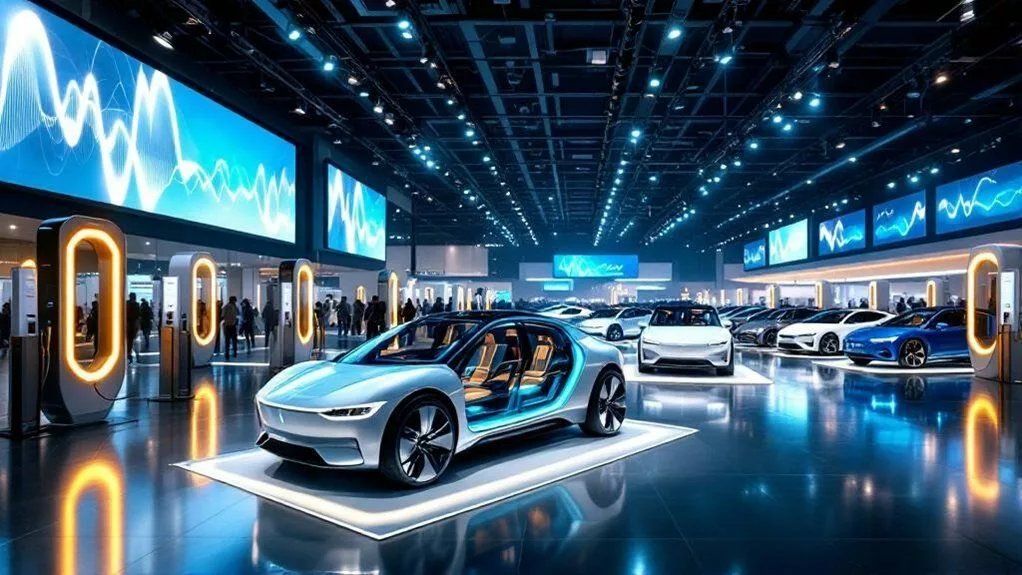
As electric vehicles continue to reshape the auto industry, 2025’s calendar is packed with major events showcasing the latest EV technology and innovations. The year kicks off with the Washington D.C. Auto Show from January 31 to February 9. It’s the largest auto show in the U.S. and features EVs, luxury models, and concept vehicles. Visitors can join VIP expert tours to learn more about the displays. Following this event, the Los Angeles Auto Show in November will further highlight significant advancements in electric vehicle technology. Industry leaders and enthusiasts alike will gather to discuss electric vehicle trends by 2030, focusing on sustainability and infrastructure developments. Attendees can expect panels featuring experts who will dive deep into the future of mobility and the role of EVs in shaping a greener world. In addition to the showcases, various workshops will introduce attendees to the top tools for EV trip planning, providing valuable resources for both new and seasoned electric vehicle owners. These sessions will cover everything from route optimization to charging station locations, ensuring that EV drivers are well-prepared for their journeys. With a focus on practical solutions, the events promise to equip participants with the knowledge needed to navigate the evolving landscape of electric mobility.
February brings three important events. The North Texas Auto Show runs from February 20 to 23 in Dallas and features a dedicated section for EVs and autonomous technology. It showcases the latest electric vehicles, charging solutions, and smart car technology for North American markets. Detroit’s Autorama happens from February 28 to March 2. This show combines custom cars with modern EV models, connecting car heritage with future mobility.
March hosts two California conferences that tackle industry challenges. EV Charging Infrastructure USA meets March 3 to 4 in Los Angeles. This event connects car manufacturers, grid operators, and policymakers to develop better charging solutions.
Battery Tech USA follows on March 5 to 6, also in LA. It addresses supply chain problems, battery safety, and how to extend driving range.
Europe’s VE Expo 2025 stands out as an international platform. It highlights European EV advancements, including self-driving tech and new battery innovations. European exhibitors and policymakers discuss what’s stopping more people from buying EVs.
The year’s biggest event happens in October. EV Tech Expo Detroit runs from October 6 to 9 as part of a 15th-anniversary celebration. It attracts over 21,000 professionals and features 1,300+ exhibitors.
The expo includes 240+ speakers discussing battery chemistry, scalability, and sustainability. Attendees can investigate battery manufacturing, EV powertrains, and thermal management systems.
For outdoor enthusiasts, Overland Expo SoCal on March 15-16 in Costa Mesa brings adventure travel and electric mobility together with specialized classes and vendor demonstrations.
These events show how fast the EV industry’s growing. Each gathering brings together engineers, manufacturers, and experts working on batteries, charging networks, and smart car technology.
They’re creating solutions for longer driving ranges, faster charging times, and better grid integration. As more companies invest in electric vehicles, these conferences and shows become essential meeting points for sharing ideas and displaying breakthrough technologies.
Frequently Asked Questions
Are Pets Allowed at Electric Vehicle Shows?
Pet policies at electric vehicle shows vary by event.
Indoor exhibitions often ban pets except service animals.
Outdoor EV festivals typically allow leashed dogs.
Some venues prohibit pets near food areas or demonstration tracks for safety reasons.
Event organizers usually post pet rules on their websites.
Service animals can enter all public facilities by law.
Attendees should check specific event guidelines before bringing pets.
What Should I Wear to an EV EVent?
EV events have different dress codes.
Formal galas require tuxedos for men and evening gowns for women.
Car shows allow business-casual clothing like collared shirts and smart pants.
Hands-on demonstrations need comfortable clothes and safe shoes with good grip.
Most events don’t allow shorts, T-shirts, or clothes with big logos.
Attendees should check specific event rules since dress codes can change based on the venue.
Can I Bring My Own Food and Drinks?
Many events don’t allow outside food or drinks. Vendors need the business. Security often checks bags for liquids or large containers.
Medical needs and baby food usually get exceptions. Some events let people bring small snacks like energy bars. Water bottles are often okay if they’re reusable.
Events want to reduce waste, so they prefer vendor food in compostable packages. Check each event’s rules before going.
Is Parking Free at Electric Vehicle Exhibitions?
Parking isn’t free at most electric vehicle exhibitions.
McCormick Place charges $39 daily for prepaid parking that includes EV charging.
Some universities offer limited free charging.
Northwestern allows three free hours if drivers charge their cars. After that, it’s $3.25 per hour.
Regular parking fees apply at academic venues unless visitors actively charge their vehicles.
Each venue has different rules.
Some events don’t offer any parking discounts.
Are EV EVents Wheelchair Accessible?
Most EV events struggle with wheelchair access. Sixty-six percent of disabled visitors can’t easily move around charging displays. Many charging stations sit on raised platforms that wheelchairs can’t reach. Heavy cables and high screens create more problems.
Some states like Illinois are making new rules to fix these issues. Only 2.3% of UK street chargers work well for disabled drivers. Event organizers are slowly improving accessibility.