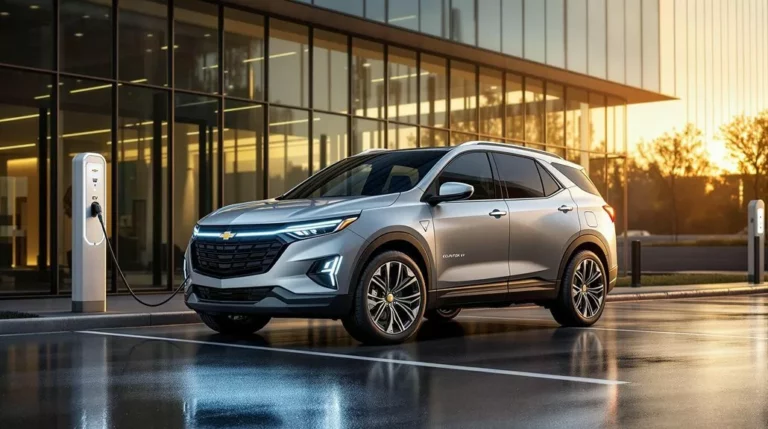

Bidirectional charging lets electric vehicles send power back to homes and the electrical grid. The technology uses smart converters to enable two-way electricity flow between car batteries and buildings. Compatible models like the Ford F-150 Lightning and Nissan Leaf can power homes during outages or sell energy to utilities during peak demand. Installation requires special wiring, permits, and equipment. Car owners can save money by storing cheap off-peak electricity and using it later.
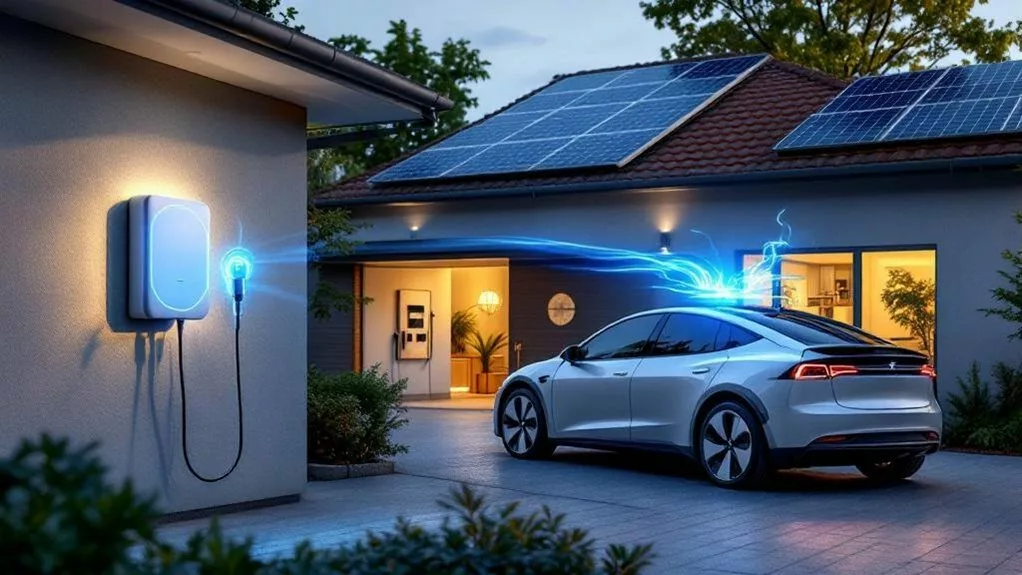
While most electric vehicles simply charge from the grid, a new technology lets them send power back to homes and the electrical grid. This bidirectional charging system uses special converters and inverters to move electricity both ways between the car and other power sources. This innovation marks a significant evolution in the history of electric vehicles, allowing them to play a crucial role in energy management. By leveraging the stored energy in vehicle batteries during peak demand times, owners can potentially reduce their electricity bills while contributing to grid stability. This represents a promising shift toward a more sustainable and interconnected energy future. Additionally, this capability opens up new possibilities for offgrid electric car charging solutions, enabling users to harness renewable energy sources more effectively. As the demand for sustainable energy increases, these systems can facilitate autonomy from traditional power sources and enhance energy resilience in remote areas. Ultimately, the integration of bidirectional charging with offgrid electric car charging solutions empowers consumers to take control of their energy consumption and supports a greener energy ecosystem.
The technology works through smart converters that change alternating current from the power grid into direct current for the car’s battery. When needed, these same devices reverse the process, turning the battery’s DC power back into AC electricity. A central control module manages this two-way energy flow, communicating with the vehicle and power grid in real-time.
Smart converters enable two-way electricity flow between car batteries and power grids through real-time control systems.
Three main uses have emerged for bidirectional charging. Vehicle-to-home systems let cars power houses during outages or high-rate periods. Vehicle-to-grid technology helps utility companies by using car batteries to support the electrical grid during peak demand times. Vehicle-to-load options let drivers plug appliances directly into their cars, turning them into mobile power stations. A fourth option, vehicle-to-vehicle charging, allows electric cars to transfer power directly to other EVs in emergency situations.
Not every electric car can use bidirectional charging. Currently, only certain models like the Nissan Leaf, Ford F-150 Lightning, and Hyundai Ioniq 5 and 6 have this capability. These vehicles need DC fast charging support and specific connector types like CHAdeMO or CCS Type 1. They also require special software pre-installed by the manufacturer.
Installing a bidirectional charging system isn’t simple. Homeowners need high-voltage wiring, special permits, and dedicated electrical circuits. Ford’s system requires a 100-amp circuit, while Nissan uses specific power panels. The setup must coordinate with existing solar panels, electrical panels, and any backup generators. These systems must include islanding equipment to safely disconnect from the grid during power outages.
The technology offers several benefits. Families can store cheap off-peak electricity or solar power in their car batteries for later use. During power outages, larger batteries like the Ford F-150’s 98-kilowatt-hour pack can run a home for days. Some utility companies even pay car owners for sharing their battery power during high-demand periods.
As more carmakers add bidirectional features to their vehicles, this technology could change how people think about car batteries. They’re becoming mobile energy storage units that serve multiple purposes beyond just driving.
Frequently Asked Questions
How Much Does Installing a Bidirectional Charging System Typically Cost?
Installing a bidirectional charging system costs between $3,400 and $16,800 total.
The equipment ranges from $3,000 to $15,000, depending on the system’s features. Installation adds $400 to $1,800 if the home’s electrical system is ready. Factors like the complexity of the installation and any necessary upgrades to the electrical panel can significantly impact the final price. In some cases, homeowners may also need to consider permits that can contribute to home EV charger installation costs. Overall, it’s important to budget carefully to ensure a seamless and efficient setup for your electric vehicle charging needs.
Older homes might need electrical upgrades, increasing costs.
Some pilot programs in California and Connecticut offer discounts that can lower the total price to $2,500 to $10,000.
Which Electric Vehicle Models Currently Support Bidirectional Charging Capabilities?
Several electric vehicles now offer bidirectional charging. The Ford F-150 Lightning leads the pack with this feature.
Nissan’s Leaf also supports it. The Mitsubishi Outlander PHEV includes this technology.
Hyundai’s Ioniq 5 and Kia’s EV6 both have bidirectional capabilities.
The GMC Sierra EV Denali will offer it too. Tesla’s Cybertruck plans to include this feature when it launches.
More manufacturers are adding this technology to new models.
Will Using Bidirectional Charging Void My Electric Vehicle’s Warranty?
Using bidirectional charging won’t automatically void an EV’s warranty if owners follow manufacturer guidelines.
Car companies like Honda approve this technology for certain models when used with certified systems. Owners must avoid deep battery discharges and stay within recommended charge levels.
Manufacturer-approved software and hardware help protect warranties. Each carmaker sets different rules, so owners should check their specific warranty terms before using bidirectional charging features.
What Permits or Approvals Are Needed for Bidirectional Charging Installation?
Homeowners need electrical permits from their local building department for bidirectional charging systems.
They’ll submit plans showing the charger’s location and electrical connections. Licensed electricians must do the work.
Some areas require utility company approval since these systems send power back to the grid. Inspectors will check the installation meets safety codes.
Requirements vary by state and city, so homeowners should check local rules first.
Can Bidirectional Charging Damage My EV Battery Faster Than Normal Charging?
Studies show bidirectional charging can speed up battery wear compared to regular charging.
Scientists found it could reduce battery capacity by up to 9.1% over time. The frequent charging and discharging cycles cause extra stress on the battery’s internal parts.
This happens because the battery works harder when it sends power back to the grid. EV batteries cost about $20,000 to replace when they wear out.