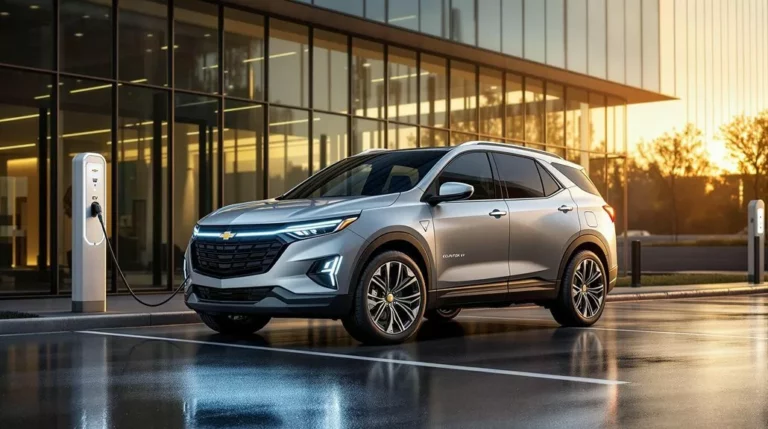

Electric vehicle drivers face significant challenges when temperatures drop below freezing. Cold weather can reduce driving range by up to 41%, while batteries struggle to perform efficiently. Many EV owners pre-heat their vehicles while plugged in, use heated seats instead of cabin heaters, and maintain tire pressure monthly. They also carry emergency kits with power banks and thermal blankets. Smart charging habits and adjusted driving techniques help maximize winter performance. Additionally, drivers often plan their routes more carefully to account for the cold weather impact on EV range, choosing destinations that minimize energy consumption. They may also seek out charging stations along their paths to ensure they have enough power to reach their final destination, especially in remote areas. Staying informed about the latest winter driving tips can further enhance their experience and alleviate concerns about range limitations.
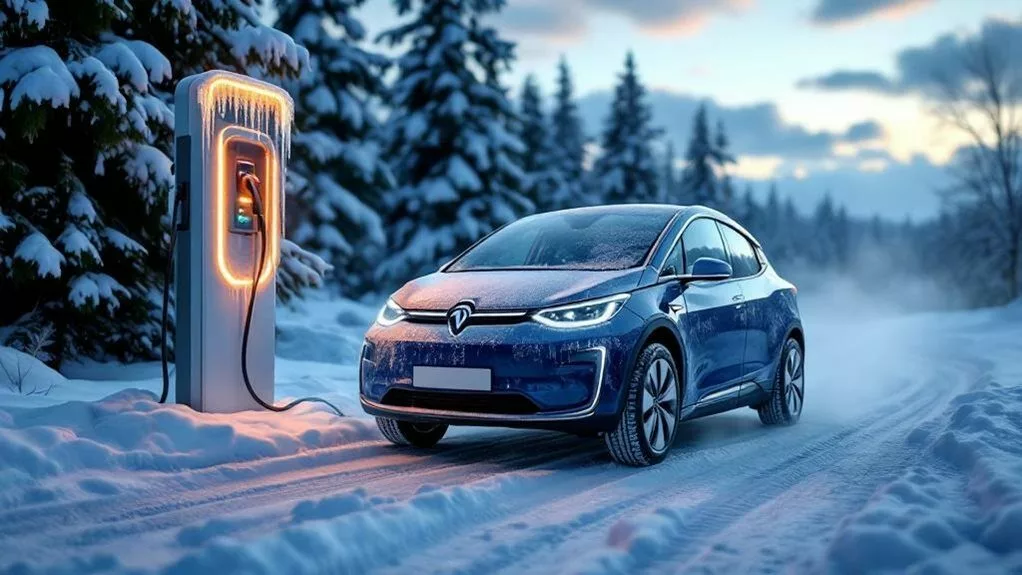
When temperatures drop below freezing, electric vehicle owners face unique challenges that can cut their driving range by nearly half. Cold weather affects EV batteries differently than gas engines, making winter preparation essential for drivers. Additionally, the impact of cold weather on electric vehicles can be traced back through the history of electric vehicles, where battery performance has always been a critical factor. Drivers can mitigate these issues by preconditioning their vehicles while still plugged in, ensuring the battery remains at an optimal temperature. Investing in winter-ready tires and maintaining proper tire pressure can also improve overall performance during icy conditions.
Battery performance drops considerably in freezing conditions. Internal resistance increases, causing charge loss that can reduce range by 39% to 41%. Many EV owners now park in covered spaces or garages to protect batteries from extreme cold. They’re also preconditioning vehicles while still plugged in, warming both batteries and cabins before trips begin.
Freezing temperatures can slash EV driving range by up to 41 percent
Charging habits change during winter months. Drivers are securing outdoor chargers with waterproof covers to prevent ice buildup on connectors. They’re scheduling charge times to finish just before departure, ensuring warm batteries for better performance. Some prefer DC fast charging during long trips to combat range loss, while others stick to Level 2 home charging when possible. Most maintain battery levels between 20% and 80% to protect long-term battery health.
Smart climate control helps preserve range. Instead of cranking up cabin heaters, drivers use heated seats and steering wheels, which consume less energy. Many pre-heat cabins during charging sessions and wear layered clothing to reduce heating demands. Some even use towel ponchos to stay warm without activating climate controls. Installing a heat pump can significantly reduce range anxiety and improve efficiency in cold weather.
Tire maintenance becomes critical in cold weather. Monthly pressure checks are necessary since cold air causes tire deflation. Winter tires with flexible rubber compounds improve grip on icy roads. Drivers avoid aggressive acceleration and reduce speeds by 5 to 10 mph, gaining 10% to 20% more range. Most manufacturers design EVs for operation in temperatures as low as -22°F, ensuring reliable performance even in extreme conditions.
Driving techniques modify to winter conditions too. Coasting downhill engages regenerative braking, sending energy back to the battery. Eco modes limit power draw from motors and heating systems. Anticipating stops and avoiding rapid acceleration help conserve energy. The extra battery weight provides improved stability on slippery surfaces, giving EVs an advantage over lighter gas vehicles. Incorporating these techniques not only enhances the driving experience but also supports the growing trend of ridehailing with electric vehicles. As more riders seek sustainable options, EVs become an increasingly popular choice for ridehailing services, offering a greener alternative without compromising on performance. This shift not only benefits the environment but also reflects evolving consumer preferences towards clean energy solutions in urban mobility.
Emergency preparedness matters more in winter. EV owners carry portable power banks with 12V connections, emergency road kits with LED flashlights, ice scrapers, and thermal blankets. All-weather recovery tools like traction mats and compact shovels stay loaded in cargo areas year-round.
Frequently Asked Questions
Does Extreme Cold Permanently Damage EV Batteries?
Extreme cold doesn’t permanently damage EV batteries. The cold temporarily reduces battery performance and range, but these effects go away once the battery warms up.
Battery experts say heat actually causes more long-term damage than cold weather. Car manufacturers test their EVs in extreme cold conditions to guarantee durability.
The battery management systems in modern EVs protect the batteries by limiting charging and power output during freezing temperatures.
Can I Use Regular Winter Tires on My Electric Vehicle?
Regular winter tires work fine on electric vehicles. They’re similar to those used on gas-powered cars.
Experts recommend switching to winter tires when temperatures drop below 44°F.
EVs need tires that can handle extra battery weight and instant acceleration. Some manufacturers offer special EV-certified winter tires. These reduce energy use and improve driving range.
Studded versions provide better ice grip but might lower the vehicle’s range slightly.
How Much Does Cold Weather Reduce EV Range?
Cold weather notably cuts electric vehicle range.
Extreme cold at 5°F can slash range by up to 39%. Most EVs lose about 20% of their range in typical winter conditions.
At freezing temperatures, drivers can expect 80% of the rated range. Short trips with frequent stops can reduce range by 50% due to repeated cabin heating.
Some models like the Silverado EV only lose 14% in extreme cold.
Should I Keep My EV Plugged in During Winter?
Many EV owners keep their vehicles plugged in during winter months. This practice helps maintain battery temperature and allows drivers to precondition their cars while connected to power.
When plugged in, EVs can warm their batteries and cabins without draining stored energy. Experts say staying plugged in prevents cold-start problems and preserves driving range.
Some manufacturers recommend keeping EVs connected whenever they’re parked in cold weather.
Do Electric Vehicles Need Special Winter Maintenance?
Electric vehicles don’t require traditional winter maintenance like oil changes or antifreeze checks.
However, they need specific cold-weather care. Owners must monitor tire pressure monthly since cold temperatures reduce it. They also check charging ports for ice buildup. Battery management becomes essential as cold affects range. Some drivers apply protective covers to charging connectors.
Regular snow removal from the vehicle prevents efficiency loss during winter driving.