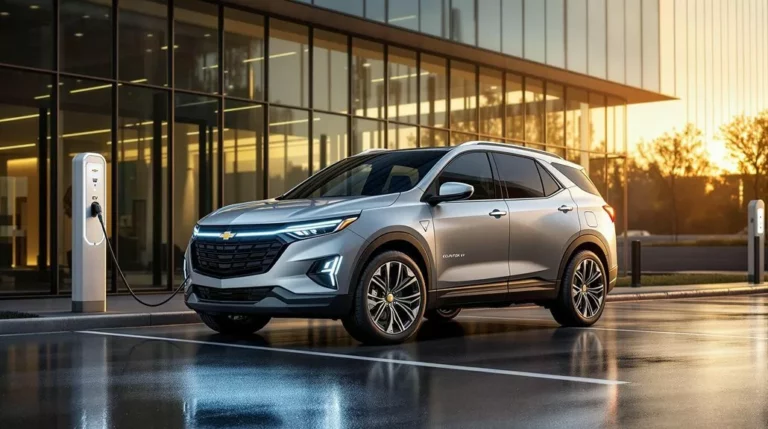

Electric vehicle charging times vary widely based on charger type and battery size. Level 1 chargers using standard outlets take 40-50 hours for a full charge. Level 2 chargers need 4-10 hours. DC fast chargers can charge batteries to 80% in 20 minutes to an hour. Most drivers don’t fully charge but top up when convenient. Charging speed depends on battery temperature, age, and the vehicle’s power limits.
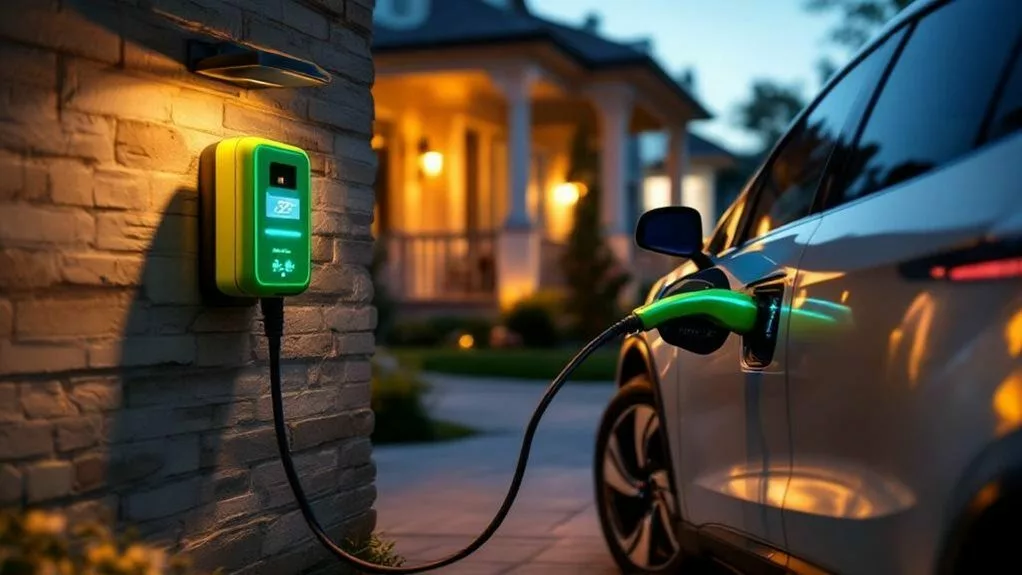
How long does it take to charge an electric vehicle? The answer depends on the charger type and the car’s battery size.
Level 1 chargers use standard home outlets and provide about 1 kilowatt of power. They’re the slowest option, taking 40 to 50 hours or more to fully charge a battery electric vehicle.
Standard home outlets take 40+ hours to fully charge an EV—the slowest charging option available.
Level 2 chargers deliver 7 to 19 kilowatts and need 4 to 10 hours for a full charge. They add about 10 to 20 miles of range per hour. Most EV owners use these for overnight charging at home.
DC fast chargers are the quickest, providing 50 to 350 kilowatts. They can charge a battery to 80% in just 20 minutes to an hour. Rapid chargers can add up to 100 miles of range in approximately 35 minutes.
Battery size makes a big difference. Small batteries like the Fiat 500’s 21.3 kilowatt-hour pack charge in under two hours with AC power. Mid-size batteries in Tesla Model 3s and Model Ys hold 68 kilowatt-hours and need about six hours. Higher-voltage 800V systems accept faster charging rates than traditional 400V architectures.
Large 77 kilowatt-hour batteries in vehicles like the VW ID.4 GTX take seven hours with AC charging.
Real-world charging patterns show most drivers don’t fill up completely. They top up when convenient. This behavior aligns well with EV charging best practices, which emphasize the importance of charging frequently and doing so during optimal times. By embracing this approach, drivers can minimize charging time and improve battery longevity. Additionally, understanding local charging station availability can further enhance convenience and efficiency in their overall driving experience.
At paid charging stations, drivers average 42 minutes and use 22 kilowatt-hours of energy. Free charging stations see longer sessions averaging 78 minutes and 42 kilowatt-hours consumed. People stay longer when they don’t pay. Many charging networks also impose idling fees to encourage drivers to move their vehicles promptly after charging completes.
DC fast charging can add 180 to 240 miles of range per hour. Most EVs reach 10% to 80% charge in 27 to 32 minutes. Charging speed slows as the battery fills up.
Some vehicles limit how fast they accept power. The Skoda caps at 124 kilowatts while Teslas can pull up to 170 kilowatts at peak rates.
Temperature affects charging speed. Cold weather slows the process. Older batteries also charge more slowly than new ones.
Most daily charging happens at home with AC power. DC fast charging works best for long trips. Rural areas have fewer charging options than cities.
Frequently Asked Questions
Can I Charge My EV in the Rain or Snow?
Electric vehicles can safely charge in rain or snow.
EV charging equipment meets strict safety standards and includes waterproof connectors. The charging ports have weatherproof seals that prevent water from getting inside.
Built-in safety features like ground fault protectors automatically shut off power if there’s an electrical problem.
Most manufacturers confirm their charging systems work safely in all weather conditions without restrictions.
How Much Does It Cost to Charge an Electric Vehicle?
Electric vehicle charging costs vary widely.
Home charging averages $70.15 monthly, while gas vehicles cost $116.28 for the same distance.
Public fast-charging stations charge about $0.43-$0.45 per kWh. Level 2 stations average $0.30 per kWh. Home charging typically costs $0.17 per kWh.
EVs cost roughly 5.4 cents per mile compared to 15 cents for gas cars. Annual savings can exceed $400 when switching from gas. As electric vehicle charging infrastructure continues to expand, the convenience and accessibility of owning an EV becomes even more appealing. Additionally, the evolution of electric vehicle technology has led to improved battery life and performance, which enhances the overall driving experience. With ongoing advancements in this field, it is likely that the cost efficiency of EVs will continue to grow in the coming years.
Will Frequent Fast Charging Damage My EV Battery?
Studies show mixed results on fast charging‘s impact on EV batteries.
While rapid charging can cause lithium buildup and heat damage, modern EVs have protective systems.
Tesla’s data found no major difference in battery life between frequent and occasional fast chargers.
However, exclusive fast charging might reduce capacity to 70% after 50,000 miles.
Most experts say today’s battery management systems prevent serious harm from reasonable fast-charging use.
Can I Install a Home Charger in My Apartment or Condo?
Apartment and condo residents can install EV chargers, but they’ll need permission first. Most buildings require landlord or HOA approval before installation begins.
Licensed electricians must check if the building’s electrical system can handle the extra power. Level 2 chargers work best for shared properties. Some residents share costs with neighbors.
Many states offer rebates that cover installation expenses. The process typically takes several weeks to complete.
Do EVS Charge Slower in Extremely Cold Weather?
Electric vehicles do charge slower in extremely cold weather.
When temperatures drop below 20°F (-6°C), charging can take twice as long as normal. Cold air makes the battery’s chemical reactions sluggish and increases electrical resistance.
The car’s computer system also limits charging speed to protect the battery from damage. Some EV owners report their usual one-hour charge taking two hours or more during winter storms. This can be particularly frustrating for those who rely on solar charging for electric vehicles, as cloudy weather can further impede the charging process. Additionally, many owners are exploring alternative energy solutions, such as installing home solar panels, to minimize these winter charging challenges. Implementing such strategies not only enhances efficiency but also contributes to a more sustainable driving experience.