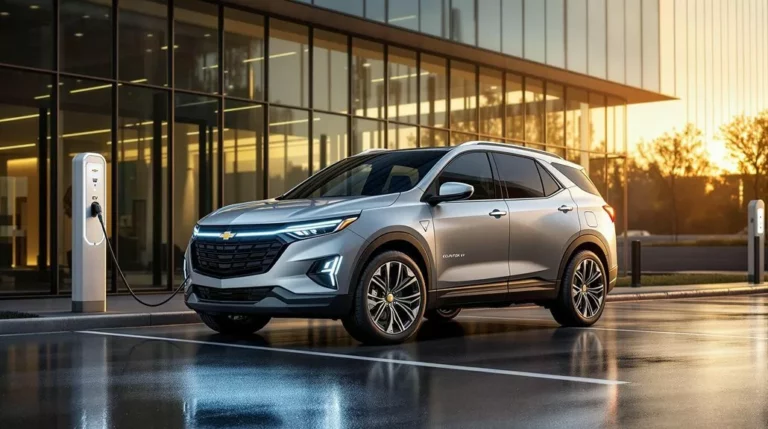

Electric vehicle batteries pack together several key materials to store energy. Graphite makes up 28% of a typical 60 kWh battery‘s weight at 52 kg. Aluminum adds another 35 kg for the casing and current collectors. The cathode contains nickel (29 kg), manganese (10 kg), and cobalt (8 kg), plus about 6 kg of lithium. Steel provides 20 kg for the outer shell. Different battery types like LFP and NMC use varying material combinations that affect cost and performance.

Electric car batteries are complex devices made from dozens of different materials. These power packs contain everything from common metals like aluminum and steel to rare minerals like cobalt and lithium. Comprehending what’s inside helps explain why these batteries cost so much and why certain materials are in short supply.
The main parts of an EV battery include the cathode, anode, separator, electrolyte, and outer casing. The cathode contains lithium metal oxide mixed with materials like nickel, manganese, cobalt, or iron phosphate. The anode is typically made of graphite, though some newer batteries add silicon to store more energy. A special plastic membrane called PVDF separates these parts to prevent short circuits. The electrolyte is a lithium salt solution that lets ions flow between electrodes when the battery charges or discharges. These components are coated onto current collectors made of aluminum foil for the cathode and copper foil for the anode.
Lithium ions flow between graphite anodes and metal oxide cathodes through specialized separators and electrolyte solutions.
In a typical 60 kWh NMC battery, graphite makes up the largest portion at 52 kilograms, or about 28% of the total weight. Aluminum comes next at 35 kilograms, used in the cathode, casing, and current collectors. The cathode contains 29 kilograms of nickel, 10 kilograms of manganese, and 8 kilograms of cobalt. Steel adds another 20 kilograms for the external casing. Despite lithium’s importance, there’s only about 6 kilograms in the cathode. The cathode minerals alone account for 31.3% of the battery’s total mineral weight, making them the most valuable components.
Different battery types use different materials. NMC811 batteries contain 80% nickel for high energy but cost more and have safety concerns. LFP batteries use iron instead of cobalt, making them safer and cheaper but with 10% less energy capacity. Experimental solid-state batteries replace liquid electrolyte with solid material for better safety and performance. Lithium-sulfur batteries could triple current energy density but aren’t ready for mass production.
Material demand is growing fast. By 2040, EVs will use 70% of global nickel mining output. Each battery needs 8 kilograms of lithium carbonate and 52 kilograms of graphite. Cobalt’s ethical sourcing issues are pushing manufacturers toward LFP alternatives. Recycling these materials will become critical as millions of EVs hit the roads.
Frequently Asked Questions
How Long Do EV Batteries Typically Last Before Needing Replacement?
EV batteries typically last 12-15 years in normal conditions.
They’re designed to retain 70% of their capacity after 8-10 years or 100,000-150,000 miles. Most manufacturers offer 8-year, 100,000-mile warranties.
Newer batteries lose only 1.8-2.3% capacity yearly. Real-world data shows Tesla Model 3 batteries lost just 6% capacity after 40,000 miles.
Many EV batteries can potentially reach 280,000+ miles before replacement’s needed.
Can EV Batteries Be Recycled, and What’s the Recycling Process?
Yes, EV batteries can be recycled.
The process starts when old batteries arrive at recycling centers. Workers discharge them for safety, then break them apart. Machines shred the batteries into tiny pieces.
Special equipment separates metals like cobalt and lithium from plastic parts. Chemical processes or high-heat furnaces extract pure metals.
These recycled materials go into making new batteries. Modern recycling recovers up to 95% of battery materials.
What Is the Average Cost to Replace an EV Battery Pack?
Replacing an electric car battery typically costs between $5,000 and $16,000.
Smaller cars like the Nissan Leaf might pay around $5,500, while bigger vehicles like Tesla’s Model S can exceed $20,000.
Hybrid cars cost much less—about $2,700 for a Toyota Prius battery.
Prices depend on the battery’s size and the car manufacturer.
These costs have dropped considerably since 2020, and experts predict they’ll continue falling.
How Do Extreme Temperatures Affect EV Battery Performance and Lifespan?
Extreme temperatures damage EV batteries considerably.
In freezing weather, batteries lose up to 40% of their range. Heat above 85°F speeds up permanent damage. Both conditions force cars to limit power and charging speeds.
The battery’s chemicals don’t work well when too hot or cold. Special cooling systems try to protect batteries, but they use extra energy.
These temperature problems shorten battery life over time.
Are EV Battery Materials Ethically Sourced and Environmentally Sustainable?
EV battery materials face serious ethical and environmental problems.
Cobalt mining in Congo often involves child labor. Lithium extraction pollutes water in South America. Mining operations destroy habitats and create toxic waste.
China controls much of the battery supply chain, making it hard to track materials’ origins.
While EVs produce fewer emissions than gas cars over their lifetime, battery production creates significant pollution upfront. This pollution is mainly due to the extraction and processing of raw materials such as lithium, cobalt, and nickel, which have detrimental effects on the environment. To maximize the benefits of electric vehicles, it’s essential for owners to follow ev battery maintenance tips that can extend the lifespan of the battery and reduce the overall environmental impact. By ensuring efficient usage and proper care, EV owners can contribute to mitigating some of the negative effects associated with battery production. Moreover, advancements in lucid battery technology advantages aim to mitigate these environmental impacts by improving energy density and recycling methods. As manufacturers work towards more sustainable production practices, the overall life-cycle emissions of EVs can be further reduced. By investing in cleaner battery technologies, the shift towards electric vehicles can become more beneficial for the environment in the long run.